
Vietnam cybersecurity landscape Q3 2026: DDoS surges, ransomware escalates

Vietnam's cybersecurity landscape in Q3 2026 continued to evolve, with significant increases in ransomware incidents, distributed denial-of-service (DDoS) attacks, online fraud, and newly disclosed security vulnerabilities. Cybercriminals increasingly exploited legitimate tools, software supply chains, and artificial intelligence (AI) to expand their attack capabilities and evade traditional security defenses.
Key highlights
1,958,124 DDoS attacks were recorded by the Viettel Anti-DDoS system, representing a 257.9% increase compared with Q3 2025.
More than 481.4 million data records were exposed, associated with 65 incidents involving leaked or publicly offered sensitive data.
34,223 new security vulnerabilities were recorded, with 59.4% classified as High or Critical severity.
5,484,598 personal account records were compromised, a 43.3% decrease compared with Q2 2026.
4,793 phishing domains were detected, approximately 20% higher than in Q3 2025.
15 ransomware incidents were recorded, up from 11 in Q2 2026, with more than 1 TB of data encrypted.
These figures reveal an important trend: although the number of exposed personal account records declined quarter over quarter, several other attack categories continued to increase in frequency and scale.
For businesses, cybersecurity is no longer solely about preventing unauthorized access. It increasingly involves protecting critical information, maintaining operational continuity, and ensuring effective recovery when security incidents occur.
I. Overview of Vietnam's cybersecurity landscape in Q3 2026
1. Cyberattacks are becoming more sophisticated and exploiting trusted components

One of the most notable developments in Q3 2026 was the increasing use of trusted platforms, tools, and workflows as attack vectors.
According to Viettel Threat Intelligence, ransomware, information-stealing malware, remote access trojans (RATs), and Android malware remained significant threats. Meanwhile, attackers increasingly exploited open-source software libraries, continuous integration and continuous delivery (CI/CD) pipelines, remote administration tools, and compromised legitimate websites.
This shift makes malicious activities more difficult to identify.
Rather than relying exclusively on suspicious attachments or malicious links, attackers can introduce malware through components that organizations routinely use for software development, system administration, and daily operations.
Compared with the developments discussed in IPSIP Vietnam's previous analysis of the Vietnam cybersecurity landscape in Q2 2026, when phishing, account compromise, and illicit data trading were among the prominent concerns, Q3 saw a notable escalation in ransomware and DDoS activity.
These developments also introduced additional challenges in vulnerability management and software supply chain security.
2. AI is playing an increasing role throughout the cyberattack lifecycle
Artificial intelligence continues to influence how cyberattacks are planned and executed.
Previously, AI was primarily associated with generating phishing emails, fraudulent images, or impersonation content. However, developments observed during Q3 2026 indicate that its role is expanding across multiple stages of the attack lifecycle.
Threat actors can use AI to support reconnaissance, develop convincing phishing content, establish attack infrastructure, and modify malware to avoid detection.
Some campaigns also impersonate legitimate AI tools to convince users to download and execute malicious software.
At the same time, AI-assisted technologies are accelerating security research and vulnerability discovery, contributing to the growing volume of publicly disclosed vulnerabilities.
For businesses, these trends highlight the importance of establishing policies for internal AI adoption, protecting sensitive information entered into AI applications, and strengthening defenses against increasingly sophisticated attack techniques.
II. Major cybersecurity threats in Vietnam Dduring Q3 2026
1. Rising ransomware attacks threaten business continuity and data security
Ransomware remained one of the most significant cybersecurity threats facing organizations in Vietnam during Q3 2026.
According to Viettel Threat Intelligence, the number of recorded ransomware incidents increased consistently throughout the first three quarters of the year.

With 15 recorded incidents, Q3 2026 marked the highest quarterly figure in the report's 2025–2026 comparison period. The total volume of encrypted data associated with these incidents exceeded 1 TB.
Notable ransomware groups included The Gentlemen, Qilin, INC, and Cl0p. Affected sectors included banking and financial services, manufacturing, telecommunications and technology, education, and critical infrastructure.
One particularly concerning development was the continued use of double extortion tactics.
Under this approach, attackers steal sensitive information before encrypting the victim's systems. They then threaten to publish or sell the stolen information, creating additional pressure on affected organizations.
For businesses, a ransomware incident can have multiple consequences simultaneously, including inaccessible systems, disrupted operations, loss of critical data, recovery expenses, and reputational damage. Even after systems have been restored, organizations may continue to face risks if sensitive information has already been exfiltrated.
Therefore, alongside maintaining reliable backups, organizations should establish a structured ransomware incident response process covering detection, containment, investigation, and system recovery.
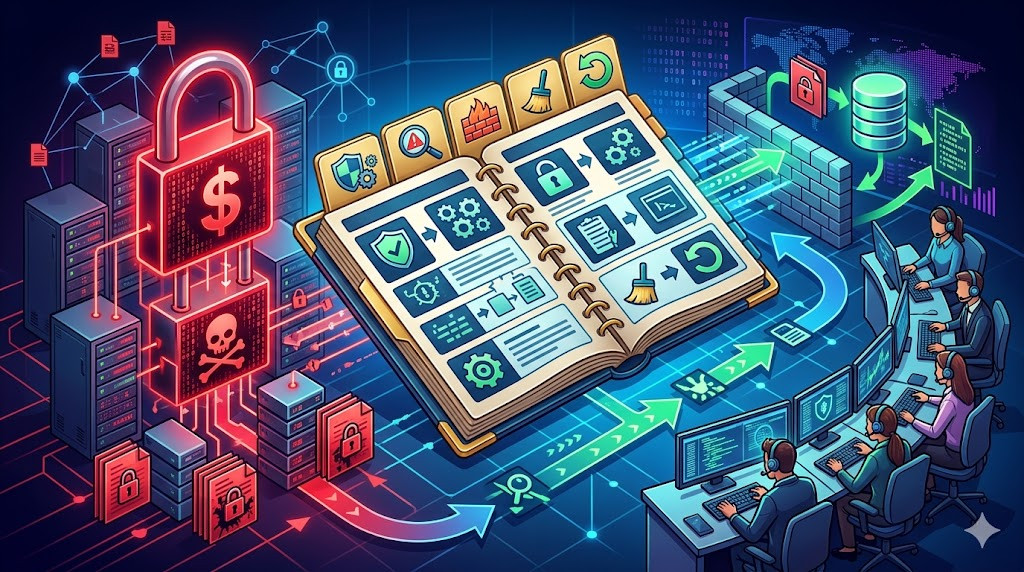
2. Data exposure: fewer compromised accounts but persistent large-scale data leakage
Data breaches and illicit data trading remained major concerns during Q3 2026, despite improvements in certain indicators.
5,484,598 personal account records were exposed, representing a 43.3% decrease from Q2 2026 and a 15.5% decline compared with Q3 2025.
Nevertheless, information-stealing malware continued to play a significant role in credential exposure. Compromised information may include usernames, passwords, browser cookies, and session authentication data, potentially enabling further account takeover attempts.
For businesses, compromised credentials associated with corporate email accounts, virtual private networks (VPNs), or single sign-on (SSO) systems can create opportunities for attackers to access internal infrastructure.
Large-Scale Exposure of Sensitive Organizational Data
Beyond personal account records, Viettel Threat Intelligence identified 65 incidents involving leaked or publicly offered sensitive organizational data.
These incidents involved more than 481.4 million records and 107.75 GB of exposed information.
Notably, although the number of incidents declined across the three months of the quarter, the total volume of affected data increased.
This demonstrates that fewer reported incidents do not necessarily indicate lower overall exposure or reduced business impact. Affected sectors included retail and e-commerce, transportation and logistics, securities, financial services, and education.
For organizations managing extensive customer databases, a single breach may compromise large volumes of information and affect multiple business processes.
Accidental Data Exposure Through Public Platforms
Another concern was the accidental disclosure of sensitive information through software development and document-sharing platforms.
During Q3 2026, the report recorded 65 cases of information exposure resulting from content uploaded to publicly accessible platforms.
GitHub accounted for 51 cases, representing 78.5% of the total. Other platforms mentioned included Scribd, Postman, and DockerHub.
Exposed materials may include source code, API keys, authentication tokens, configuration files, or internal documents. If discovered and exploited by attackers, such information can provide an entry point into corporate environments.
These findings reinforce an important principle: effective data protection requires not only preventing unauthorized external access but also controlling how employees, developers, and third-party partners store and share sensitive information.
3. Online phishing and brand impersonation continue to increase
Online phishing remained a widespread threat in Q3 2026, with campaigns increasingly tailored to specific industries, services, and user behaviors.
4,793 phishing domains, approximately 20% more than in Q3 2025. The number of brand impersonation websites reached 2,242, representing a 156% year-over-year increase.
Financial services, banking, and investment-related organizations accounted for 24% of the recorded phishing and impersonation attacks, making this sector one of the most frequently targeted.
Common techniques involved fraudulent websites, malicious URLs, deceptive emails, and messages impersonating trusted organizations.
Attackers often attempted to obtain personal information, account credentials, or financial payments. During the quarter, several campaigns exploited everyday activities, including tuition payments, textbook deliveries, tax obligations, and social insurance procedures.
By using realistic scenarios that closely resemble legitimate transactions, attackers can make fraudulent communications more convincing.
For businesses, the consequences extend beyond the direct financial losses experienced by victims. When legitimate brands are impersonated, customers may lose confidence in official communication channels and digital services.
Organizations should therefore monitor potential brand impersonation, clearly identify their authorized communication channels, and regularly educate employees and customers about emerging phishing techniques.
4. Security vulnerabilities surge, increasing patch management Cchallenges
One of the most significant developments in Q3 2026 was the sharp increase in newly disclosed security vulnerabilities.
34,223 new vulnerabilities were recorded during the quarter, approximately 2.7 times the number reported in Q3 2025. Of these vulnerabilities, 14.5% were classified as Critical and 44.9% as High severity.
This increase reflects intensified vulnerability research and discovery activities, with AI-assisted tools potentially accelerating the identification of security weaknesses.
Affected technologies included VPN appliances, web servers, network edge devices, enterprise management platforms, cloud infrastructure, and business applications.
However, an increase in disclosed vulnerabilities does not necessarily mean that all identified weaknesses have been exploited in real-world attacks.
The report also highlights continued exploitation of older vulnerabilities involving technologies such as Log4Shell, F5 BIG-IP, SolarWinds Orion, and Confluence.
This demonstrates how delayed patching and incomplete asset management can expose organizations to persistent risks.
For businesses, effective vulnerability management involves more than installing software updates. Security teams must determine which systems are affected, assess the likelihood of exploitation, and understand the potential operational impact of each vulnerability.
A risk-based approach to patch management allows organizations to prioritize critical weaknesses and allocate remediation resources more effectively.
5. DDoS attacks surge in both frequency and intensity
Distributed denial-of-service attacks recorded one of the most substantial increases among the threat categories monitored during Q3 2026.
1,958,124 DDoS attacks were recorded during the quarter, representing a 257.9% increase compared with Q3 2025.
September alone accounted for approximately 42.1% of all recorded attacks during the quarter. In addition to increasing frequency, several attacks reached exceptionally high traffic volumes:
94.56% of attacks involved bandwidth below 1 Gbps.
1,897 attacks exceeded 100 Gbps.
The largest recorded attack reached 4.01 Tbps and used UDP Flood techniques.
Attackers also employed Carpet Bomb techniques to distribute malicious traffic across multiple IP addresses within targeted infrastructure.
Unlike attacks primarily intended to steal information, DDoS campaigns typically aim to disrupt service availability by overwhelming the target's processing or network capacity.
For businesses operating e-commerce websites, online transaction platforms, customer applications, or digital services, a successful DDoS attack may result in inaccessible systems, interrupted transactions, revenue losses, and diminished customer confidence.
The increase in both attack frequency and intensity highlights the importance of resilient infrastructure, effective DDoS mitigation strategies, and business continuity planning.
6. Advanced Persistent Threats (APTs) pose long-term intrusion risks
Beyond attacks that cause immediate disruptions, advanced persistent threat (APT) activities continued to present significant risks to organizations in Vietnam.
APT campaigns often focus on intelligence gathering, sensitive data theft, and maintaining long-term access to compromised environments. According to Viettel Threat Intelligence,Mustang Panda accounted for 72.3% of the relative prevalence of tracked APT groups during Q3 2026.
Observed attack techniques involved malicious Word/RTF documents, LNK files, HTA files, and PowerShell-based execution methods.
A defining characteristic of many APT operations is that initial compromise may not immediately result in visible disruption.
Attackers can attempt to maintain access, monitor internal activities, and collect valuable information before proceeding to subsequent stages.
For organizations managing sensitive business information or critical infrastructure, these threats emphasize the need for continuous security monitoring, behavioral anomaly detection, and effective incident investigation capabilities.
III. What does Vietnam's Q3 2026 cybersecurity landscape reveal?
The findings in Viettel Threat Intelligence's report highlight four important implications for enterprise cybersecurity management.
1. Attackers increasingly exploit trusted systems and components
Open-source libraries, software development environments, remote management tools, and third-party systems can all become entry points for cyberattacks.
Businesses should therefore expand security assessments beyond their internal infrastructure to include technologies, suppliers, and external partners that can influence or access critical systems.
2. The scale of data exposure matters as much as incident frequency
Q3 2026 recorded a decline in exposed personal account records, while incidents involving sensitive organizational data still affected hundreds of millions of records.
This illustrates why incident counts alone are insufficient for evaluating cybersecurity risk.
Organizations should also assess the sensitivity of compromised information, potential downstream exploitation, and the operational consequences for customers and business processes.
3. Traditional defenses must be supported by continuous monitoring
Ransomware, exploitation of known vulnerabilities, and APT activities demonstrate that firewalls, antivirus software, and routine patching remain essential but cannot address every threat on their own.
A more comprehensive approach combines preventive measures with continuous event monitoring, alert investigation, and timely incident response.
4. Business continuity is becoming a core cybersecurity Ppriority
DDoS attacks can disrupt digital services, ransomware can halt critical operations, and data breaches can undermine customer trust.
As a result, cybersecurity effectiveness should be evaluated not only by an organization's ability to prevent attacks but also by its capacity to detect, contain, and recover from incidents.
IV. IPSIP Vietnam's perspective: which cybersecurity measures should businesses prioritize?
Given the developments observed during Q3 2026, organizations should move beyond relying on isolated security tools and adopt a risk-based cybersecurity strategy that reflects the importance of their systems, applications, and information assets.
Several priorities deserve particular attention.
1. Proactively assess vulnerabilities and potential attack paths
Businesses should maintain an accurate inventory of their technology assets, particularly internet-facing websites, applications, APIs, servers, and infrastructure components.
Vulnerabilities should be evaluated based on severity, real-world exploitability, and potential business impact.
Systems processing sensitive data or delivering critical customer-facing services should receive greater assessment priority.
In addition to automated vulnerability scanning, organizations can conduct penetration testing (Pentest) to validate whether identified weaknesses can be exploited and determine which issues require immediate remediation.
IPSIP Vietnam provides penetration testing services to help organizations gain technical visibility into security weaknesses and develop remediation plans aligned with their operational requirements.
2. Strengthen Continuous Security Monitoring and Incident Response
Ransomware and APT activity demonstrate the importance of detecting suspicious behavior before an intrusion spreads or causes significant damage.
Security monitoring should focus on unusual authentication events, privilege changes, suspicious software execution, and activities that may threaten critical systems or data.
Businesses should also establish clear procedures for alert classification, incident escalation, system isolation, investigation, and recovery.
For organizations without sufficient resources to maintain an internal security team around the clock, IPSIP Vietnam's 24/7 Security Operations Center (SOC) services can be considered as an option for strengthening continuous monitoring, alert investigation, and coordinated incident response within an agreed service scope.
3. Protect sensitive data, accounts, and privileged Access
Alongside technical defenses, businesses should strengthen identity and access management to reduce the risk of unauthorized access through compromised credentials.
Important measures include implementing multi-factor authentication (MFA), controlling privileged accounts, enforcing least-privilege access, and regularly reviewing employee and third-party permissions.
Software development teams should also assess how source code and technical documentation are stored and shared.
API keys, authentication tokens, passwords, and configuration files should not be exposed through uncontrolled public repositories or sharing platforms.
In parallel, organizations should conduct cybersecurity awareness training to help employees recognize phishing emails, fraudulent websites, and suspicious requests for sensitive information.
4. Cybersecurity checklist for businesses following Q3 2026
To reduce exposure to emerging threats, organizations can prioritize the following six activities:
Review security vulnerabilities: Assess production systems and prioritize weaknesses with a high likelihood of exploitation.
Strengthen identity and access controls: Review privileged accounts, enforce MFA, and revoke unnecessary permissions.
Assess data exposure risks: Examine source code repositories, storage platforms, shared documents, and exposed credentials.
Verify backup and recovery capabilities: Ensure critical data is securely backed up and regularly test recovery procedures against ransomware scenarios.
Prepare DDoS mitigation measures: Identify critical online services and establish strategies for handling abnormal traffic volumes.
Establish monitoring and incident response procedures: Assign responsibilities, define escalation channels, and prepare coordinated response plans.
These activities should be prioritized according to actual business risks and operational requirements rather than implemented uniformly without adequate assessment.
Vietnam's cybersecurity landscape in Q3 2026 was marked by significant increases in several threat categories, particularly ransomware, DDoS attacks, online phishing, and newly disclosed security vulnerabilities. Meanwhile, data exposure incidents and advanced persistent threats continued to create substantial risks for enterprise information systems.
These developments demonstrate that cybersecurity is not simply about deploying protective technologies. It is also directly connected to business continuity, data governance, operational resilience, and incident recovery.
To strengthen their security posture, businesses should proactively assess system vulnerabilities, improve monitoring capabilities, enforce appropriate access controls, and establish effective incident response strategies.

IPSIP Vietnam supports organizations in assessing cybersecurity risks and enhancing security monitoring capabilities, helping businesses identify critical priorities and select protection strategies suited to their operational environments.
References


